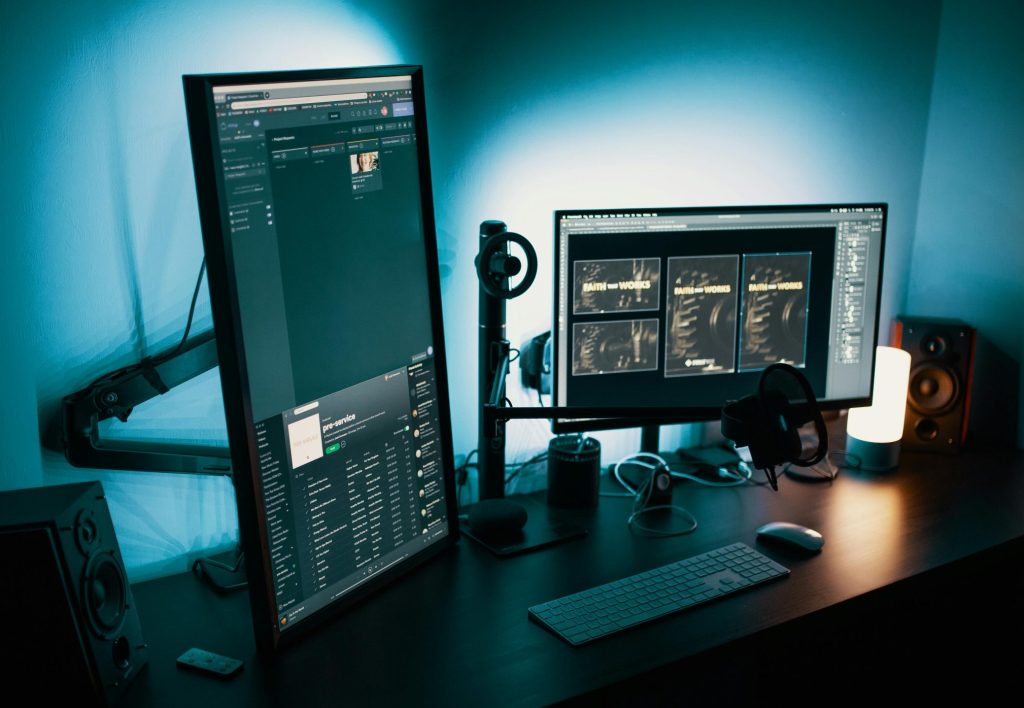

The gaming and content creation world is continuously evolving, and game capture cards have been a fundamental tool for streamers, YouTubers, and gaming enthusiasts. These devices enable players to record and share their gaming experiences with others around the globe easily. Whether you’re a professional gamer, a casual gamer, or a content creator looking to share your passion with the world, a game capture card is the key to unlocking a world of possibilities. From high-intensity gameplay recordings to live-streaming sessions, these versatile devices have revolutionized the way we experience and share the thrill of gaming.
Types of Game Capture Cards
There are ultimately two different types of game capture cards:
1. Internal Game Capture Cards
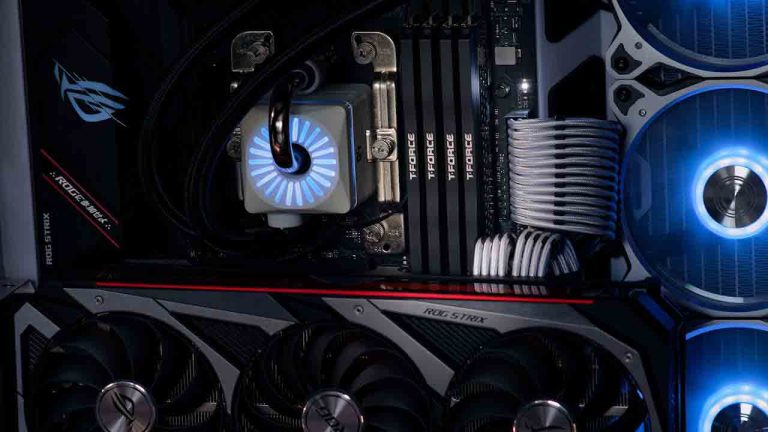
The internal capture cards are installed into a desktop computer’s PCI-Express slot, which offers low latency and efficient data transfer. The performance of these cards is usually better because they are connected directly to the motherboard of the hardware.
2. External Game Capture Cards
An external capture card is used to connect to a computer or gaming console through USB, HDMI, or other interfaces. This provides a more portable and versatile option. An HDMI capture card is a popular option thanks to its ease of use and immense compatibility with other devices. On the other hand, USB capture cards offer a small and travel-friendly option. Form factors also vary, with full-size cards offering more ports and features, and half-size or compact models prioritizing portability.
Key Features to Consider
If you are deciding between game capture cards, there are a few key features to consider.
- Input and output ports are vital, with HDMI being the most common for high-resolution video capture.
- The maximum supported resolution and frame rates are used to determine the quality of your recordings, with 4K and high frame rate support being even more important.
- The recording quality is determined by other factors like bitrate and codec support, the higher the nitrates the better quality – but it will require more storage space.
Passthrough capabilities allow you to view the gameplay on a monitor while recording or streaming. On-board processing and encoding can offload work from your computer, improving performance and reducing CPU load. Look for hardware encoding acceleration and support for popular codecs like H.264 and H.265. Other considerations include compatibility with various platforms (PC or consoles), driver and software support, and ease of use and configuration.
Popular Game Capture Cards, Brands and Models
Given the importance and ever-growing need for game capture cards, there are a few different game capture cards to flood the market. One of the most popular products is the Elgato, particularly for its products like the HD60 X and 4K Pro. Both of these models are known for their reliability and user-friendly software. AverMedia’s Live Gamer Portable 2 Plus and 4K Capture Cards are also highly regarded, with the latter supporting resolutions up to 4K at 60fps. Another brand is the Razer’s Ripsaw X, which caters to gamers and content creators with their sleek designs and advanced features. Other notable brands include Magewell, Intensity, and BlackMagic, each offering unique solutions for professional-grade capture and streaming setups.
For internal capture solutions, top brands like Osprey and BlueFish444 provide PCI-Express cards with promising features and low-latency capture capabilities. These are often favored by professional broadcasters and production studios.
Advanced Features and Considerations
While there are a few main features of a game capture card, there are a few different advanced features for content creators and streamers. Live commentary and audio mixing capabilities enable gamers to include microphone audio and game audio right into a single stream or recording. Video editing and post-processing tools enable you to enhance your content with effects, transitions, and overlays. Some capture cards even support streaming to multiple platforms simultaneously, such as Twitch, YouTube, and Facebook, expanding your audience reach. An important feature of game capture cards is compatible with gaming consoles and PCs, which ensures quick and easy integration with your gaming setup. Furthermore, factors like latency, system resource usage, and ease of use should be evaluated on your needs.
Choosing the Right Game Capture Card
When choosing the right game capture card, there are a few different factors to keep in mind based on your intended use and requirements. First of all, resolution requirements are a significant factor, with 1080p capture cards catering to full HD needs, while 4K capture cards are a requirement for capturing and streaming high-definition content. Budget is also a key consideration, as higher-end capture cards with advanced features often come at a premium price. Intended use, such as casual recording, professional streaming, or content creation, will influence the level of performance and features required. Casual gamers, or even those who are just starting, can look into an entry-level capture card, while professional streamers and content creators could benefit from high-end solutions.
The Final Resolution
The evolution of game capture cards has allowed gamers and content creators to share their gaming experiences seamlessly. Luckily for gamers, there is a wide array of options available, from entry-level devices to top-of-the-line, professional-grade solutions. As technology continues to evolve, the gaming industry will see more advanced features and capabilities like the support for higher resolutions, varied frame rates, and simple integration with new streaming platforms. Ultimately, game capture cards have become an essential tool for anyone looking to capture and share their gaming adventures, fostering a vibrant and ever-growing community of gaming enthusiasts.